
How to Find Your Main Water Shutoff Valve
(And Why It Matters BEFORE an Emergency)
Know Your Home — Post 1 of 10
When something goes wrong with your plumbing, seconds matter. A burst pipe, a failed supply line under a sink, a water heater connection that lets go. The difference between a manageable problem and a soaked floor, ruined drywall, or a flooded room often comes down to one thing: how fast you can get to your main water shutoff.
This is the first post in our Know Your Home series, and we're starting here on purpose. You can learn about every system in your house, but this one comes first.
What the Main Water Shutoff Does
Your main water shutoff valve controls the supply of water into your entire home. Turn it off, and water stops flowing to every faucet, toilet, appliance, and fixture in the house. That's it. One valve, whole house.
This is different from the individual shutoffs under sinks or behind toilets. Those stop water to one fixture. The main shutoff stops everything.
Where to Find It in a Central Texas Home
Location varies by home age, builder, and lot layout. In Central Texas, the most common locations are:
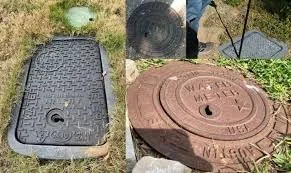
At the meter box near the street. Most homes in Austin and surrounding areas have a water meter box set into the ground near the curb or property line. The meter itself belongs to the utility, but there is usually a shutoff valve on the homeowner's side of the meter. You'll need a meter key or a long-handled flathead screwdriver to operate it. Keep one in your garage.
On an exterior wall near the front of the house. Some homes have a main shutoff valve mounted on the exterior, usually on the side facing the street. It may be in a small covered box or exposed near a hose bib.
In a utility closet, garage, or under a sink. Older homes and some newer builds route the main line into the home before the first branch, and the shutoff may be indoors. Check utility closets, the garage near the water heater, or the cabinet under the kitchen sink.
In the front yard, covered by a round plastic or concrete lid. This is common in newer suburban Austin developments. The lid sits flush with the ground and may have a slot or handle. Lift it to find the valve below grade.
If you're not sure, look at your home inspection report. Main shutoff location is usually noted there. Your water heater is also a good clue. Trace the cold water supply line back toward the exterior wall and you'll often find the main shutoff along that path.
What Kind of Valve Do You Have?
Gate valve. Looks like a round wheel handle. Turn it clockwise to close, counterclockwise to open. Takes multiple full rotations. Common in older homes.
Ball valve. Has a lever handle. Turn it 90 degrees so the handle is perpendicular to the pipe to close it. Turn it parallel to the pipe to open it. Faster and more reliable than gate valves.
Curb stop valve. Located at the meter box. Requires a special tool to operate. Turns with a key or a long flathead screwdriver. This is your backup if the house-side valve fails.
Test It Now, Not During a Crisis
Once you find your shutoff, test it. Turn it off. Go inside and run a faucet. If water stops, you're in good shape. Turn it back on slowly.
Gate valves in older homes can be stiff or corroded. If yours is hard to turn or doesn't fully stop the water, that's worth knowing before a leak forces your hand. A plumber can replace a failing shutoff valve for a reasonable cost. It's a straightforward job.
Write down the location. Add a note to your phone, a label inside a cabinet, or a sticky note on the water heater. If someone else is home when a problem happens, they need to know where to go.
A Note on Central Texas Freezes
Winter matters here. When temperatures drop to 28 degrees or below and hold overnight, pipes in exterior walls, garages, and attics are vulnerable. Knowing your shutoff location is part of freeze prep, not just emergency response.
If you're leaving town in winter, know where your shutoff is and decide whether to turn it off before you go. A slow drip from a frozen pipe that no one catches can do serious damage before you're back.
Quick Reference
Main shutoff controls all water into the home
Most common locations: meter box at the curb, exterior wall, utility closet, or flush ground cover in the yard
Gate valve: round wheel, multiple turns to close
Ball valve: lever handle, 90-degree turn to close
Test it now. Label it. Tell your household where it is.
"The best time to find your shutoff is the day you move in. The second best time is today."
Knowing where this valve is costs you nothing. Not knowing can cost you a lot. If you want help building a full maintenance plan for your home, including what to check, when, and what to call someone for, that's what the Art + Craft Home Maintenance Membership is designed for.