
Winter Home Maintenance in Central Texas
Seasonal Home Maintenance for Central Texas, v4 of 4
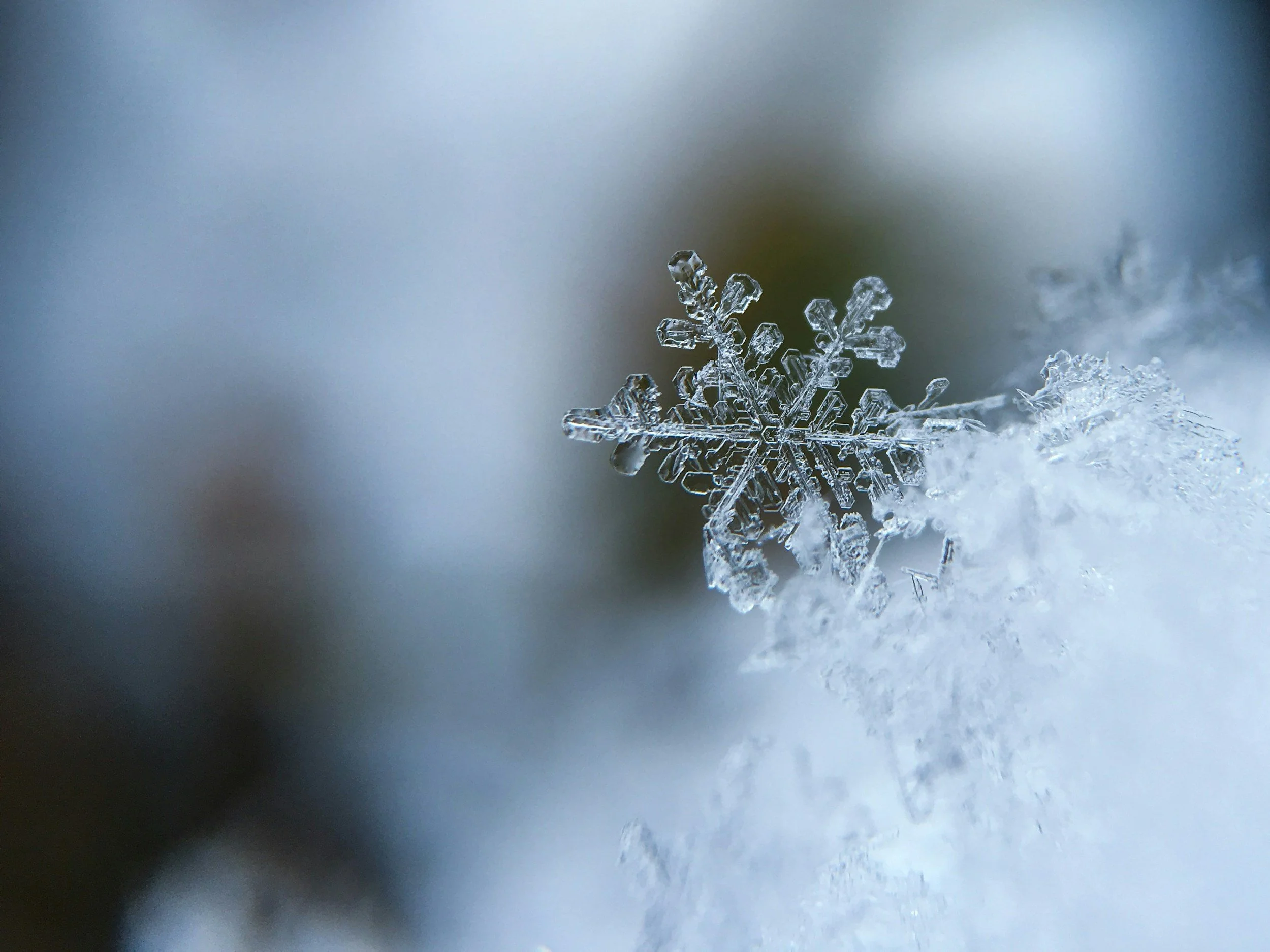
Winter (December–February): Short season, high consequences
Winter in Central Texas is the shortest season and the highest stakes.
Most years, it's mild enough. Temperatures dip, cold fronts move through, and the season feels manageable. But February can bring some of the worst freezes of the year, and the homes here weren't built with sustained cold in mind. When a hard freeze arrives, it rarely gives much warning.
The good news: the winter maintenance list is short. If you did your fall prep, you're mostly there. This is about staying ready and knowing what to do when conditions change fast.
What Winter Does to Central Texas Homes
The primary risk in Central Texas winters isn't snow or ice accumulation. It's rapid temperature swings. A week of mild weather followed by a sudden hard freeze puts stress on pipes, seals, and heating systems that aren't conditioned for sustained cold.
Water expands when it freezes. Pipes that aren't insulated, particularly those in attics, exterior walls, garages, and under sinks on exterior-facing walls, can crack or burst when temperatures drop far enough fast enough. A burst pipe in an attic can cause significant water damage before anyone realizes it's happened.
Heating systems that rarely run get called on suddenly. Drafts that were invisible in October become noticeable in January. And short winter days mean less time to catch problems before they compound.
The Most Important Winter Maintenance Items
Know your freeze response plan Before a freeze warning arrives, know exactly what you'll do. Where is your main water shutoff? Do you have pipe insulation on hand? Do you know how to drip faucets correctly? Having a simple plan in place means you're not scrambling when the forecast drops to 25 degrees overnight.
Drip faucets during freeze events When temperatures are forecast to drop below freezing, especially below 28°F for more than a few hours, drip your faucets. Both hot and cold on any faucet connected to an exterior wall or an uninsulated pipe run. Moving water is much harder to freeze than standing water.
Open cabinet doors under sinks On exterior-facing walls, open cabinet doors beneath sinks during freeze events to allow warm interior air to reach the pipes. It takes ten seconds and makes a real difference.
Keep the heat on, even when you're away If you're traveling during a cold stretch, don't turn the heat off. Set it no lower than 55°F. A cold house with no airflow is a vulnerable one.
Check your water heater Water heaters work harder in winter. If yours is older than 10 years, have it inspected. A failing water heater in January is an uncomfortable and expensive problem. Also check that the area around it is clear and that the pressure relief valve is functioning.
Seal drafts you find If you feel cold air around doors, windows, or outlets on exterior walls, address it. Temporary weatherstripping, draft stoppers, and outlet gaskets are inexpensive fixes that reduce heating costs and improve comfort immediately.
Why These Tasks Matter
Most Central Texas homeowners go years without a significant winter event. That's exactly why freeze preparation feels optional, until it isn't. The homes that sustain the most damage during a hard freeze are rarely the ones that were poorly built. They're the ones where no one thought the season would be severe enough to matter.
Winter maintenance in Central Texas isn't about building a fortress against the cold. It's about covering the basics so that a weather event stays an inconvenience instead of becoming a repair.
Winter Checklist
Locate and test your main water shutoff. Make sure everyone in the home knows where it is.
Have pipe insulation and faucet covers on hand before the first freeze
Drip hot and cold faucets during freeze events (below 28°F)
Open cabinet doors under sinks on exterior walls during hard freezes
Set heat no lower than 55°F if leaving home during cold stretches
Check water heater. Inspect if over 10 years old.
Seal drafts around doors, windows, and exterior wall outlets
Keep a flashlight and basic emergency supplies accessible
Check smoke and carbon monoxide detectors. Heating systems mean more combustion risk.
You won't be able to predict when Central Texas winter decides to get serious. But you can make sure that when it does, you're not starting from zero.
That's what this whole series has been about. Calm preparation instead of reactive repairs. If you'd like help building a maintenance plan that keeps all four seasons covered, that's exactly what we do.